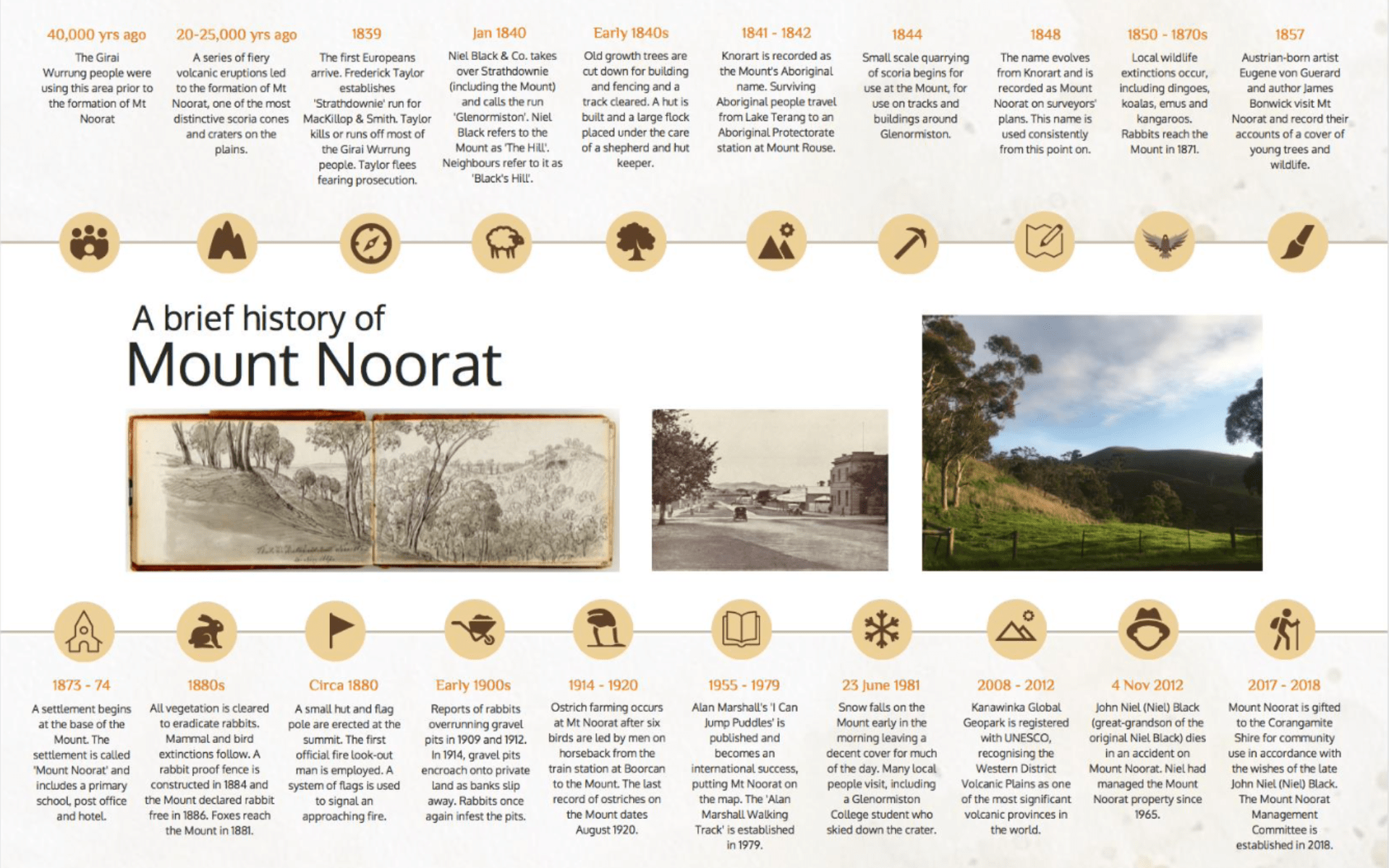
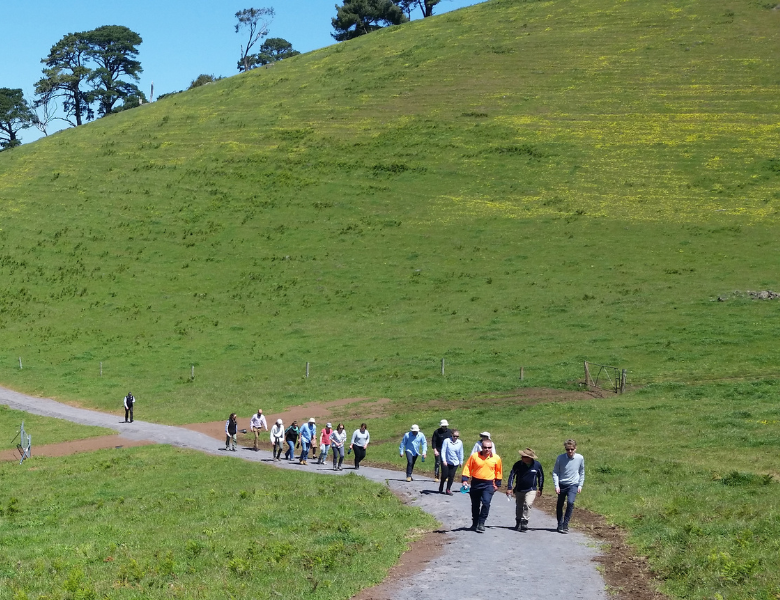
The first Europeans arrived at Noorat less than 180 years ago. Frederick Taylor was the first European to arrive in 1839, when he established the "Strathdownie" run for MacKillop and Smith. By late 1839, Taylor had left the area and Niel Black & Co. took over the run in January 1840. They called the run "Glenormiston" and the site include Mount Noorat, which they referred to as "The Hill". Ownership of Mount Noorat remained with the Black family until 2017 when the family gifted the site to Corangamite Shire.
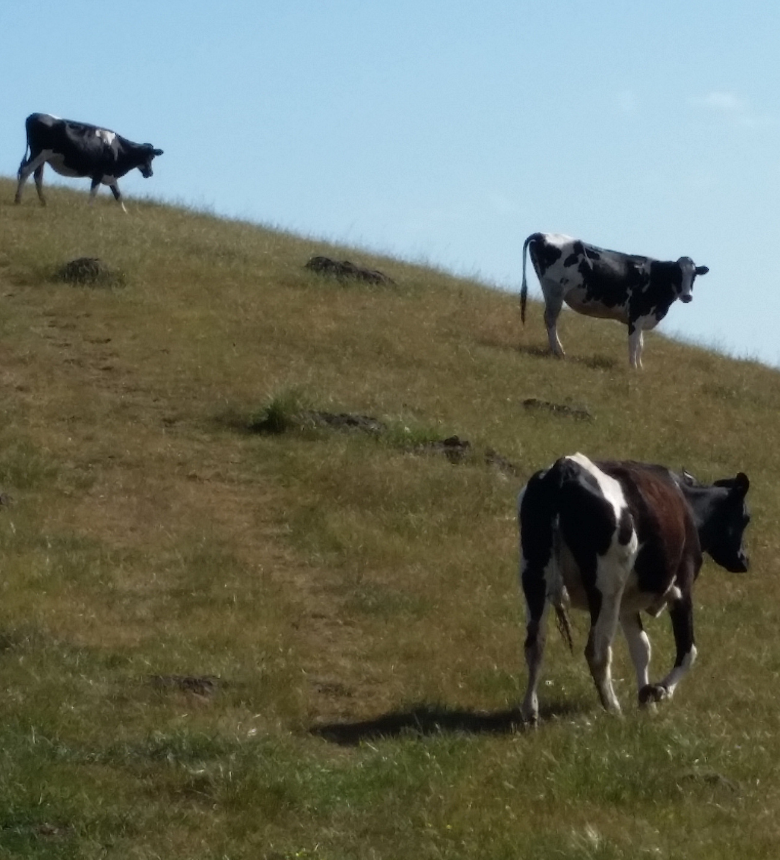
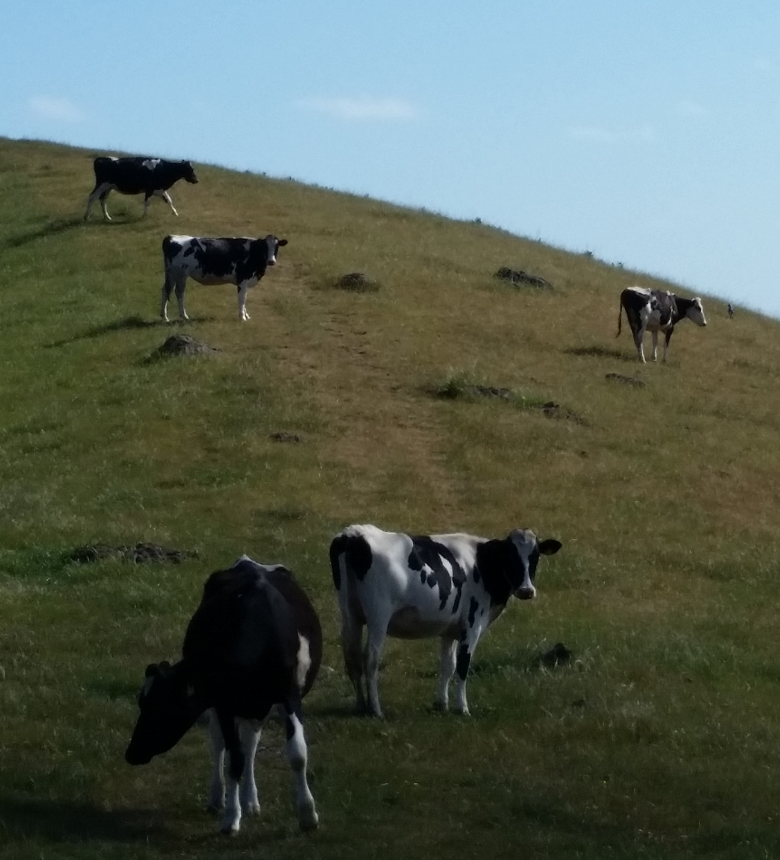
The establishment of farming and nearby settlements led to the rapid denuding of woodlands on Mount Noorat. Timber was harvested for buildings and fencing, tracks cleared across the Mount, scoria mined for nearby developments and sheep grazing was introduced.
Settlement of the township of Noorat commenced in 1873 and by the 1880s the majority of vegetation on Mount Noorat had been cleared. A significant loss of wildlife followed, which was further exacerbated by the introduction of pest species including rabbits, cats and foxes.
EUROPEAN HISTORY
Farming at Mt Noorat
In addition to being grazed by sheep and cattle, ostrich farming was trialled for a brief period at Mount Noorat between 1914 and 1920. The summit of Mount Noorat was also utilised as a fire lookout station, where a small hut and flagpole were erected in the 1880s.
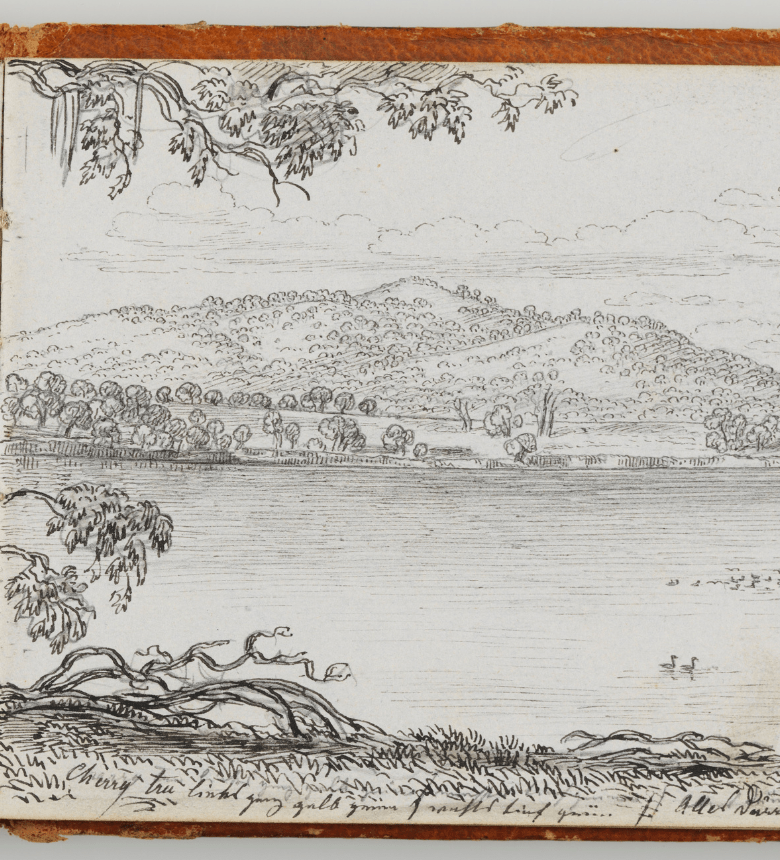
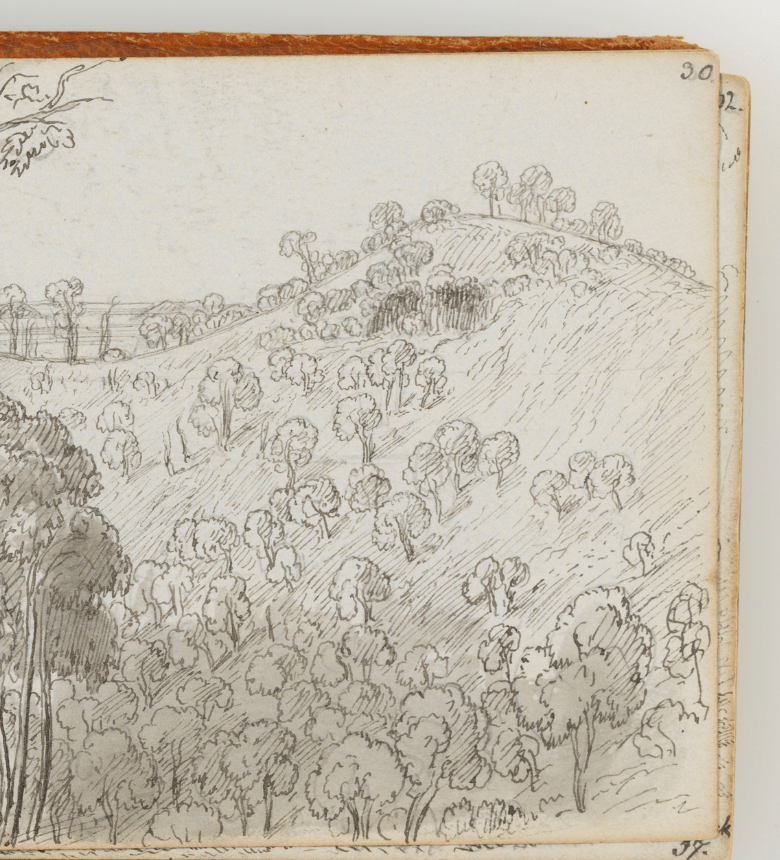
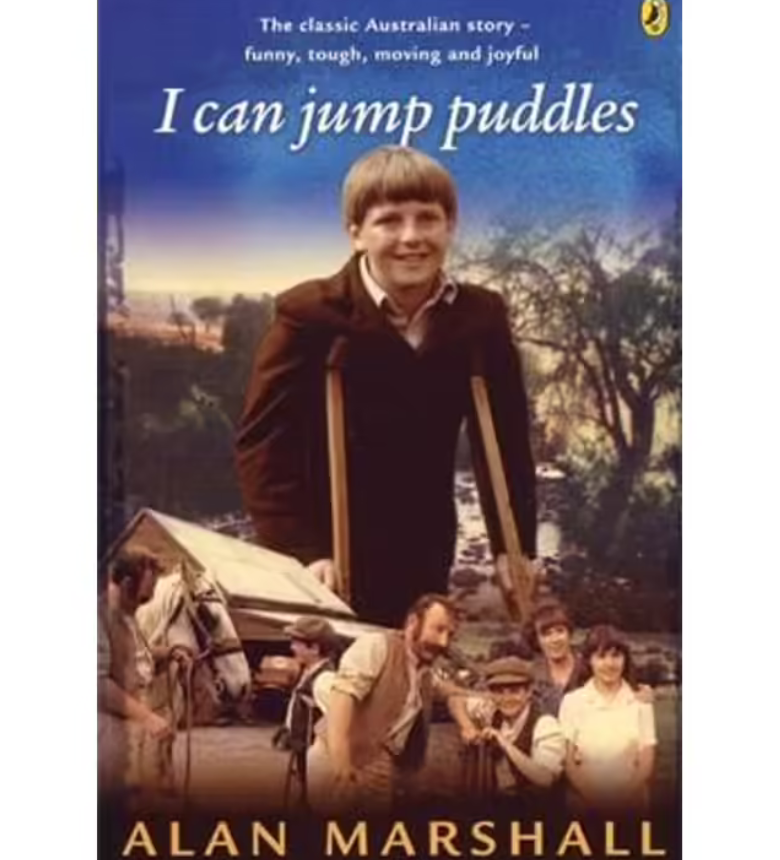
Since European settlement, Mount Noorat has captured the interests of authors and artists including Austrian artist Eugene von Guerard and author James Bonwick, whose works provide valuable insights into the landscape at the time of European settlement. This history of acclaimed Australian author Alan Marshall is deeply interwoven with Mount Noorat and his award-winning novel I Can Jump Puddles is set to the backdrop of Mount Noorat.