
Early settlement natural history
The original ecosystem of Mt Noorat deteriorated quickly after European settlers cleared native vegetation in the 19th century. Most native wildlife vanished, as many birds and mammals depended on century-old trees for nesting hollows, which disappeared with land clearing. Unfortunately, little documentation exists on the region’s animals before this disruption, but historical letters and journals reveal some species present at the time.
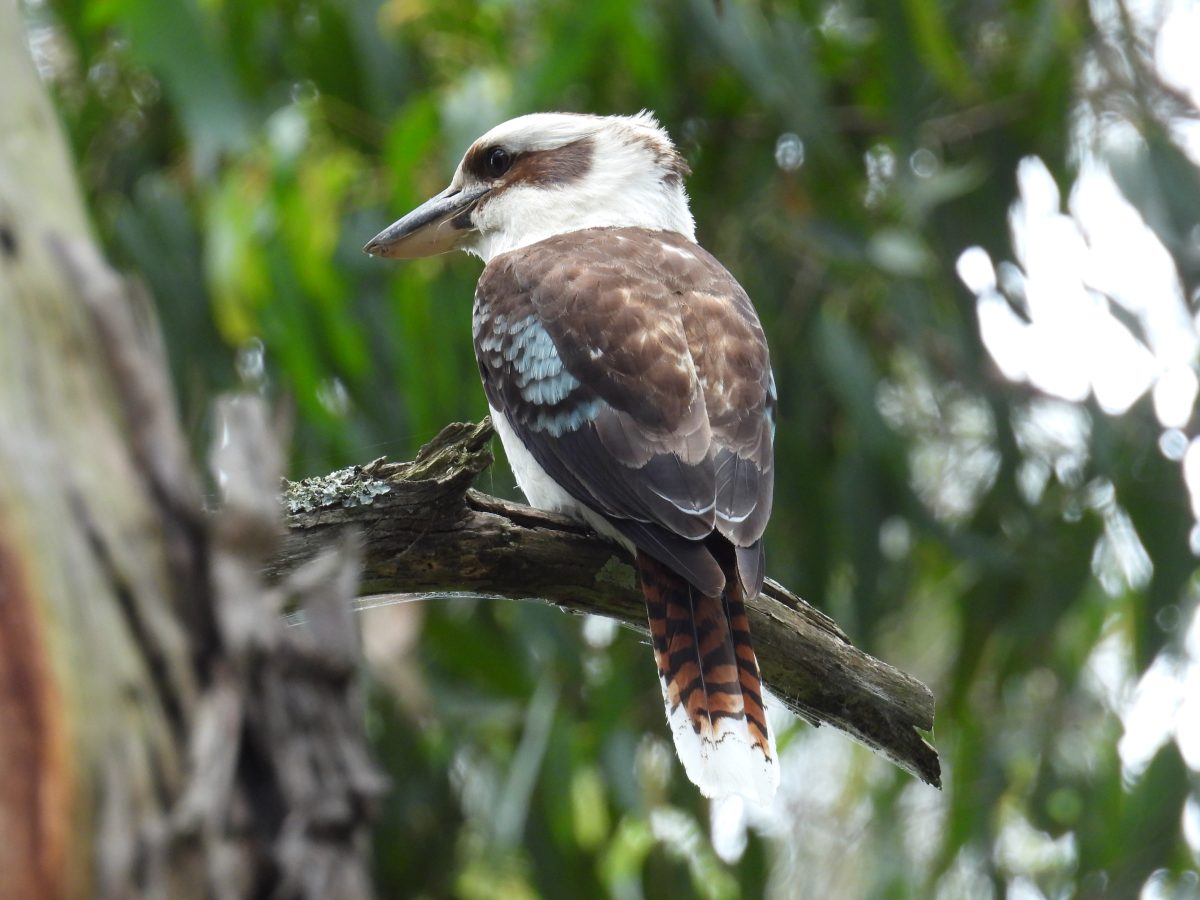
Quolls, bandicoots, gliders, dingoes, kangaroos, koalas, emus, kookaburras, and owls all once inhabited Mt Noorat. Niel Black described abundant kangaroos and emus in 1840, with Eastern Grey Kangaroos dominating the area and emus and black swans common nearby. Koala populations were limited, partly due to hunting by Indigenous peoples, and declined further as large manna gums were logged from the 1840s onward, leaving the slopes bare by 1887.
Common and ringtail possums also lived on the mount. They were valued by Indigenous people but considered pests by Europeans. Quolls (“native cats”) and eastern barred bandicoots were widespread in the early days but rapidly declined, as did several glider species dependent on tree hollows and forest corridors.
Eastern pygmy possums may have lived in the area until habitat fragmentation occurred. The decline in native fauna was accelerated by culling, hunting for food and skins, and sport, particularly targeting kangaroos, dingoes, and birds of prey. Settlers often saw native species as nuisances rather than natural wonders.
Dingoes, regarded as threats to sheep farming, faced bounties; records show ongoing efforts to control them through the mid-19th century. Kangaroo numbers were extremely high at first, with thousands recorded around the Mount in 1841. Dogs owned by squatters and farmers—used both for protection and hunting—contributed significantly to the decline of kangaroos and other wildlife. By the late 1800s, packs of dogs regularly hunted across local paddocks, accelerating the disappearance of native species.
By the 1880s much of the land was fenced and introduced species such as rabbits, hares and foxes were the menace, dogs played a part in keeping their numbers down. Unfortunately, some native species became collateral damage in the settlers’ battle to overcome the introduced rabbit pest.
Biodiversity today
Swamp Wallabies, also known as Black Wallabies, are regularly seen in the crater and on the lower eastern slopes of Mount Noorat. According to Menkhorst (1996) though, they have only been present in this area since they began expanding their range in the 1970s.
An Echidna and resident Lowland Copper Head snake are regular inhabitants. The odd brushtail possum can be heard thumping across a roof. Water Skinks can be seen along the walking track enjoying the sunshine. The Mount is located within the range of more than a dozen species of bats, ranging from micro-bats to flying foxes, so it’s feasible that several at least were there, and a few may remain. Mt Noorat has a project with iNaturalist Flora and Fauna of Mount Noorat where observations can be listed. Follow the link to see what flora and fauna species have been observed at the Mount recently.
-
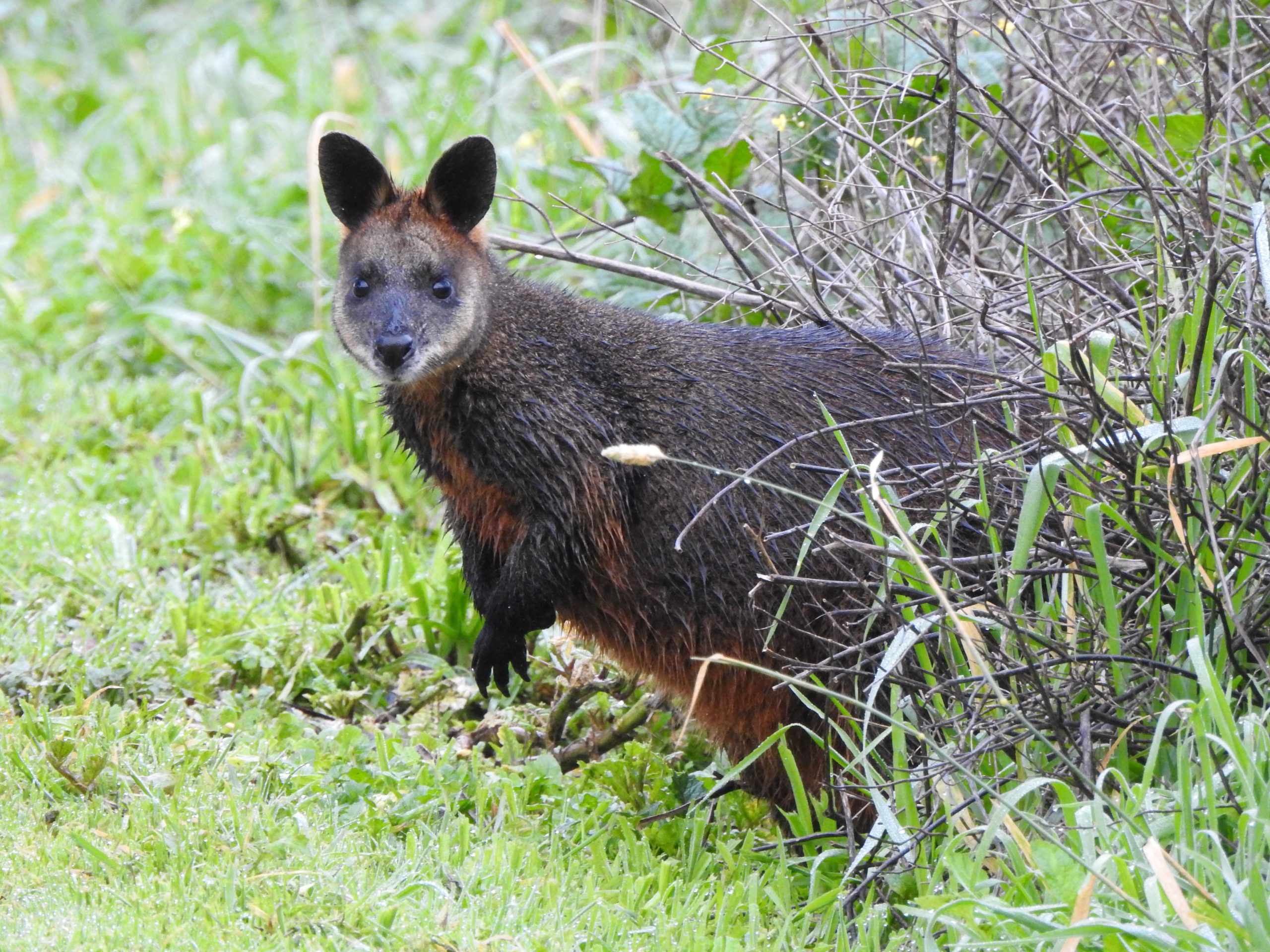
- Swamp Wallaby
-
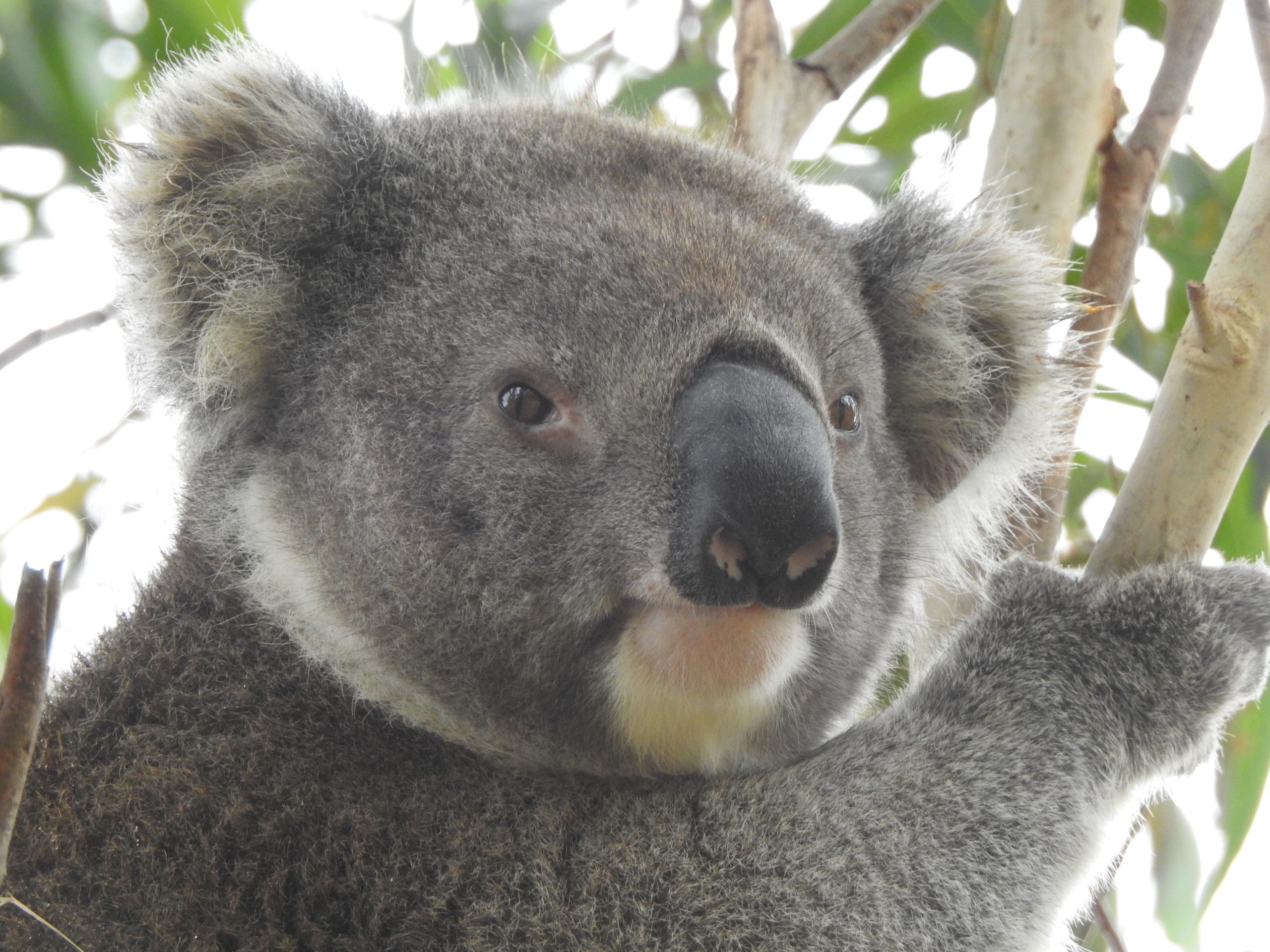
- Koala
-
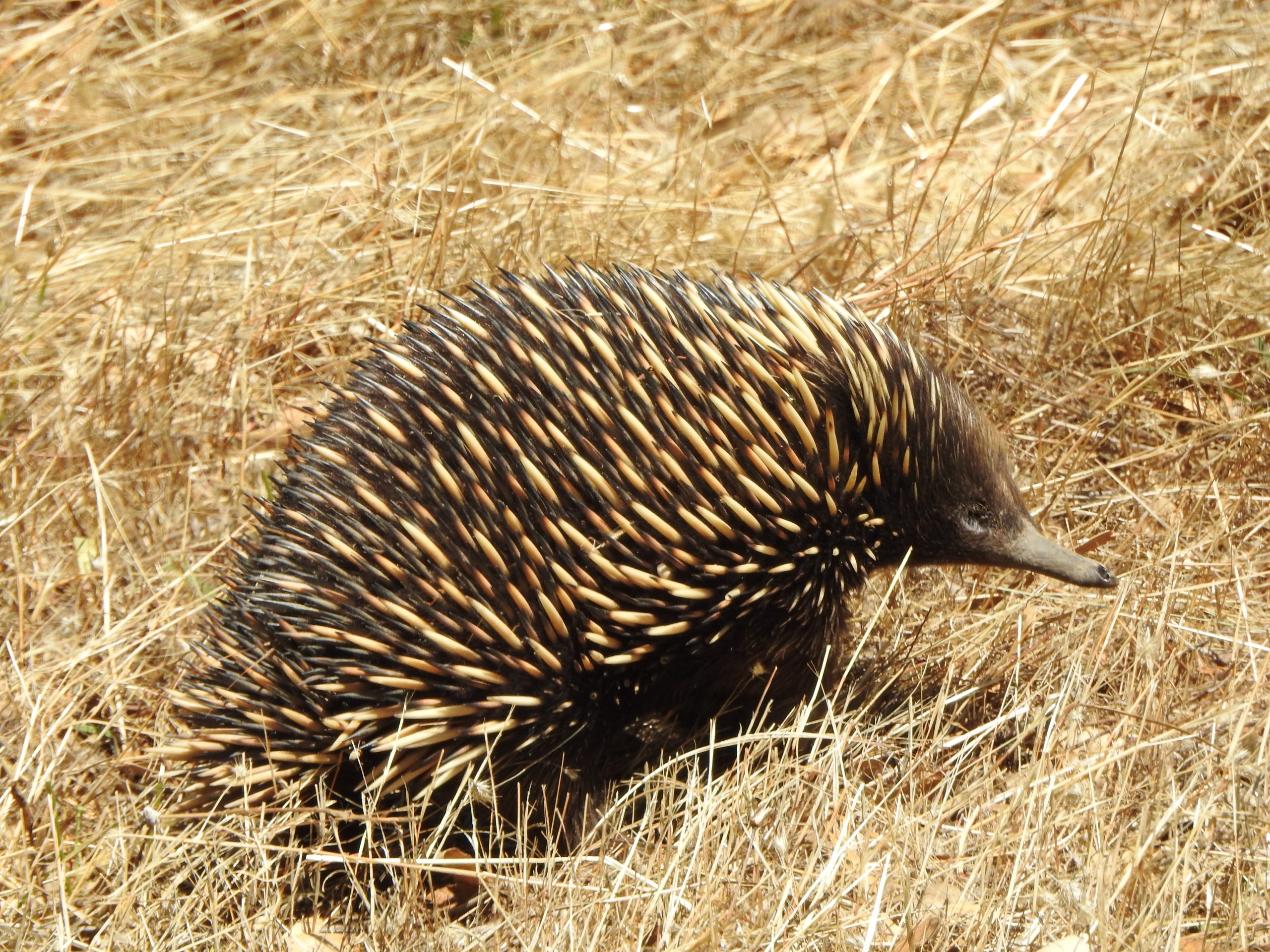
- Echidna
Woodland Birds
Mount Noorat offers a unique opportunity to observe a variety of bird species in their natural habitat. From Honeyeaters, Thornbills, and Grey Fantails to larger birds like Magpies and Little Ravens, the mix of native and introduced species varies throughout the year. Raptors such as Wedge-tailed Eagles, Peregrine Falcons, and Whistling Kites can often be seen soaring above, while smaller birds like Kookaburras and Fairy-Wrens add charm to the landscape.
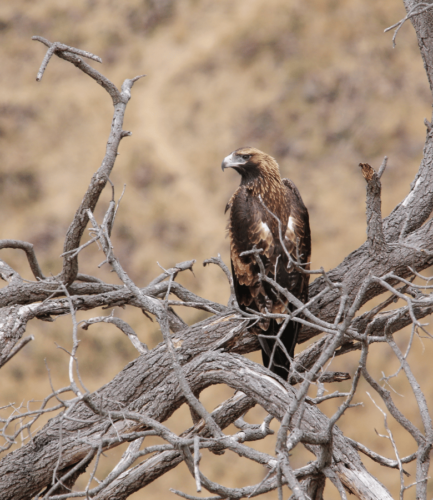
Despite changes in the environment over time, Mount Noorat remains a home for various parrots, including Sulphur-crested Cockatoos and Crimson Rosellas. Seasonal visitors like Yellow-tailed Black-Cockatoos often appear to feed and nest in the area. However, the absence of older trees has impacted species reliant on hollows for nesting, and the ecosystem continues to adapt.
-
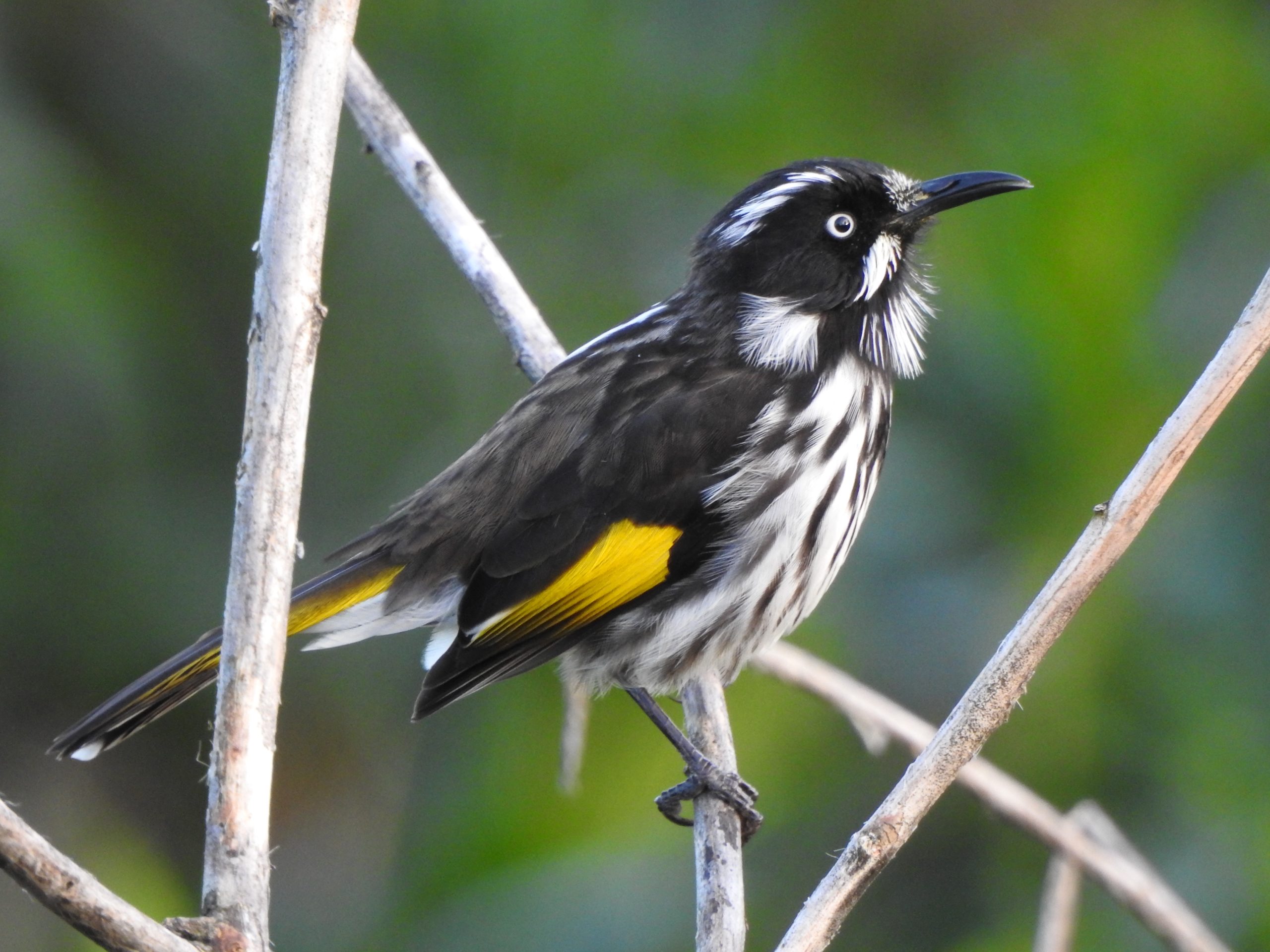
- New Holland Honeyeater
-
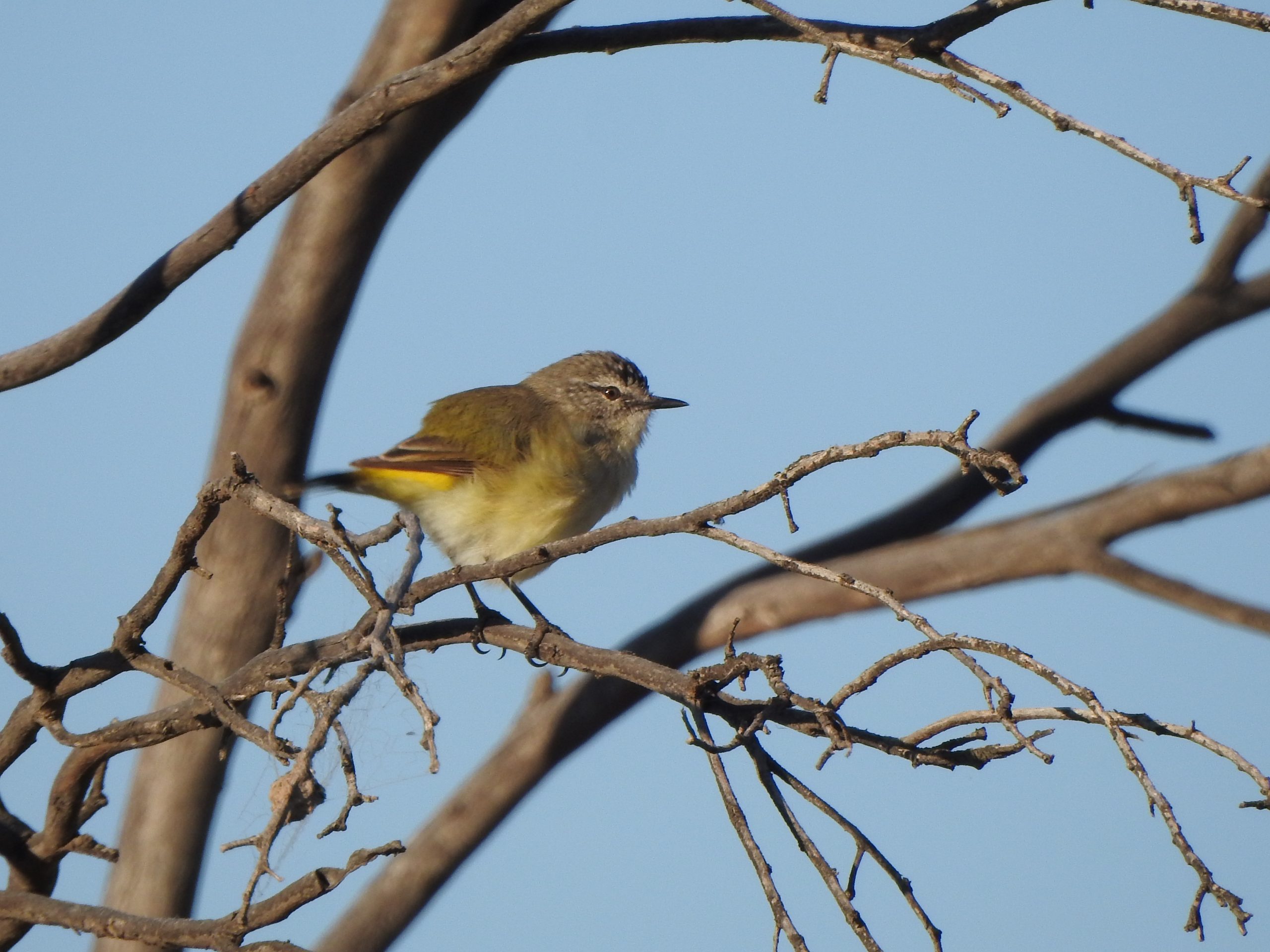
- Yellow Rumped Thornbill
-
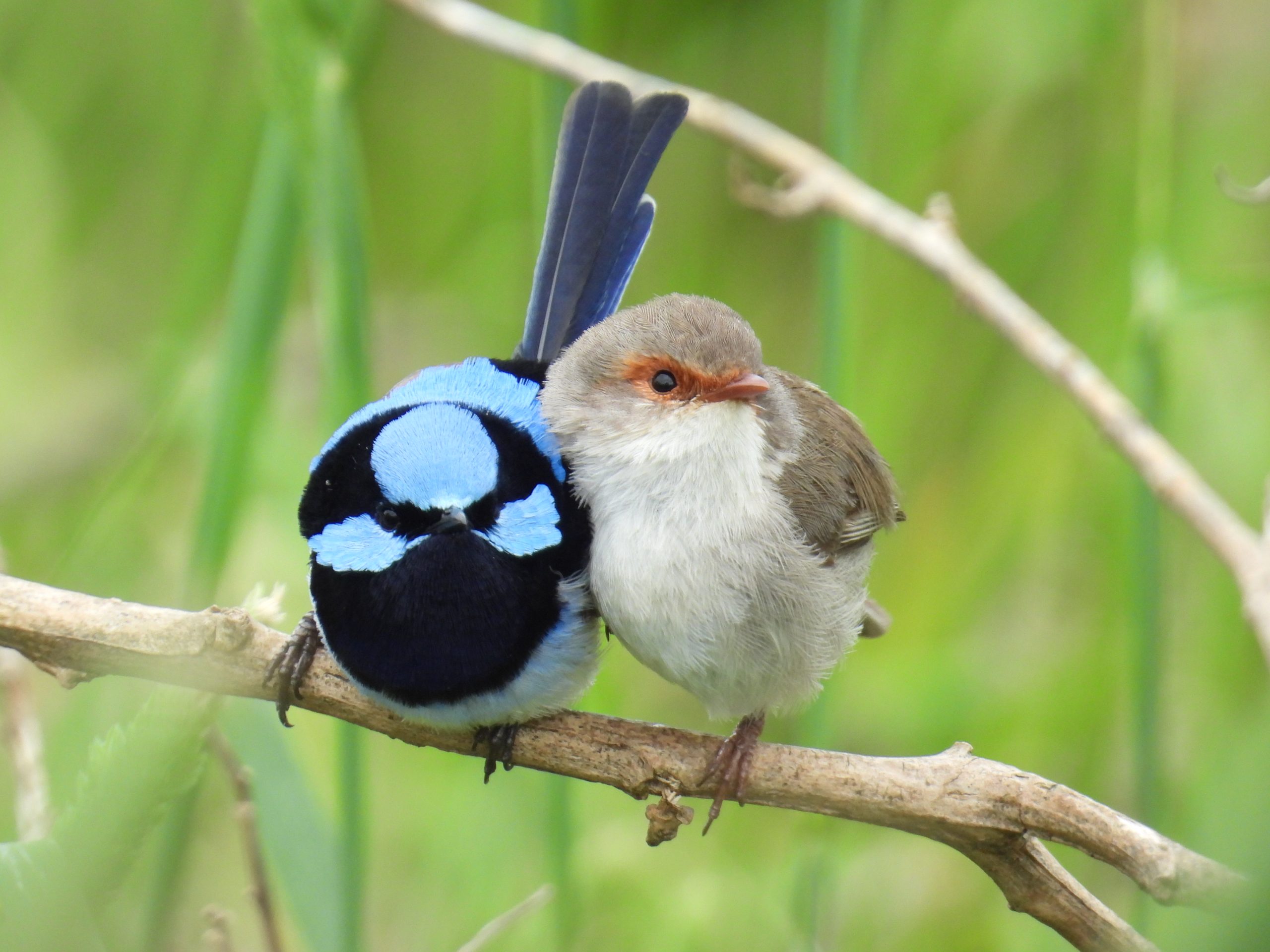
- Fairy Wren