
MOUNT NOORAT
Natural History of Mount Noorat
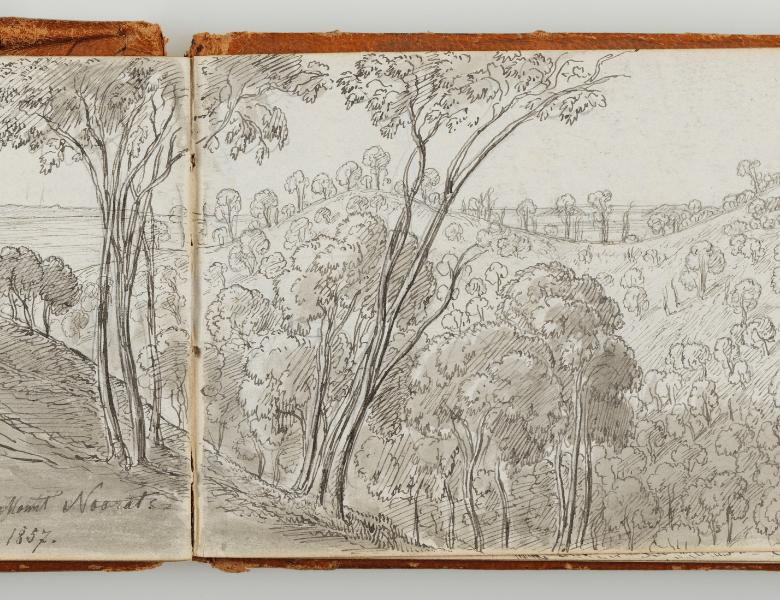
Mt Noorat boasts a fascinating natural and cultural history that reflects the transformation of the ecosystem following European settlement in the 19th century. Originally home to abundant native wildlife, such as kangaroos, emus, dingoes, koalas, and gliders, these species thrived amid the ancient tree-covered slopes. However, extensive deforestation and agricultural expansion led to a decline in biodiversity, with settlers viewing wildlife as either curiosities, pests, or resources.
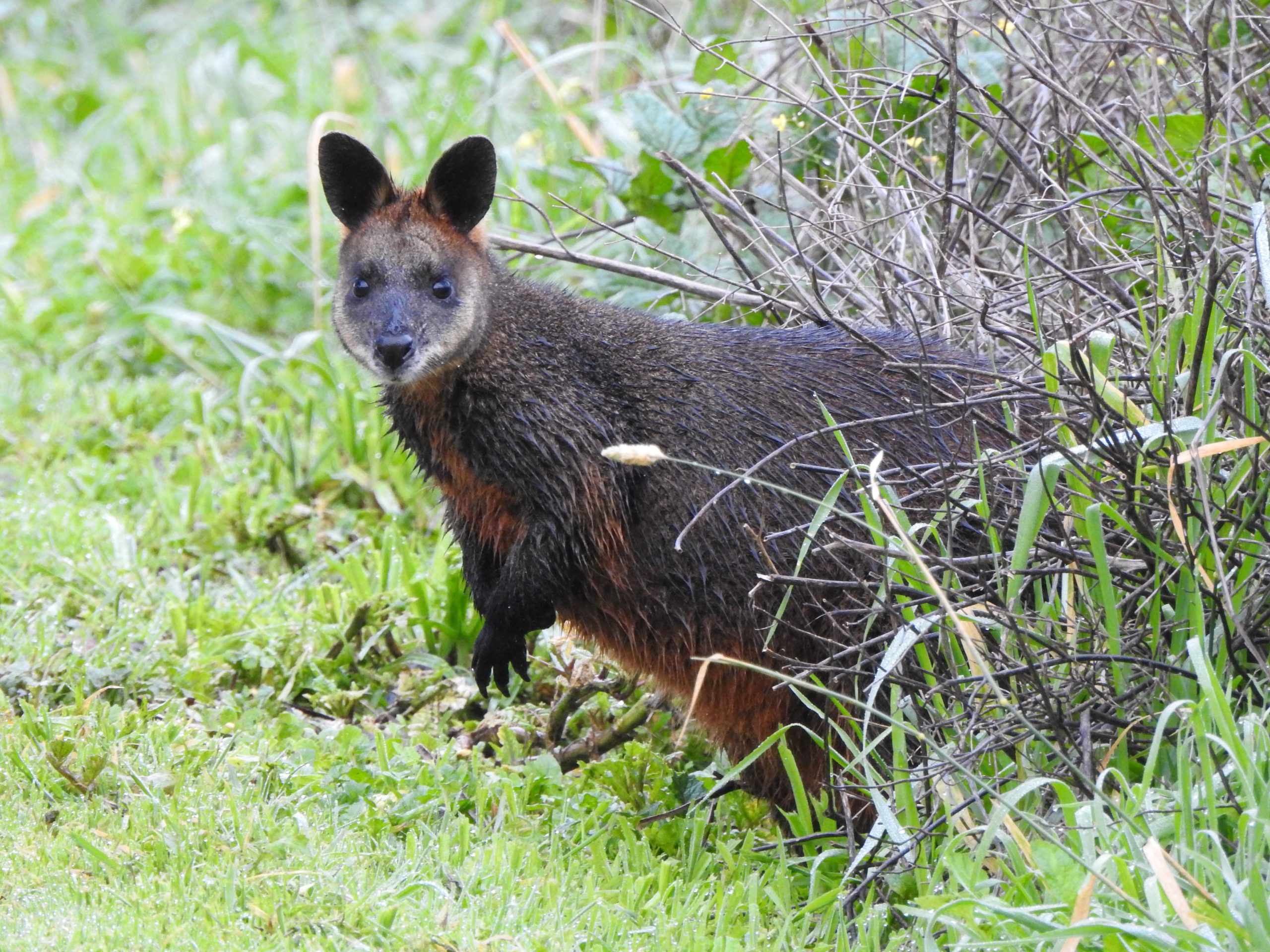
Notable accounts, including Niel Black's journal and letters from settlers, provide glimpses into the thriving wildlife during early settlement years. Unfortunately, practices like culling, clearing of vegetation, and introduction of non-native species such as rabbits and foxes contributed to the disappearance of many native animals. Today, species like swamp wallabies, echidnas, and water skinks still inhabit the area, alongside occasional sightings of brushtail possums and bats.
Mt Noorat continues to support efforts for conservation and wildlife observation. Through projects like iNaturalist's- Flora and Fauna of Mount Noorat, visitors and enthusiasts can explore and document the unique biodiversity that persists in this striking volcanic landmark.
-
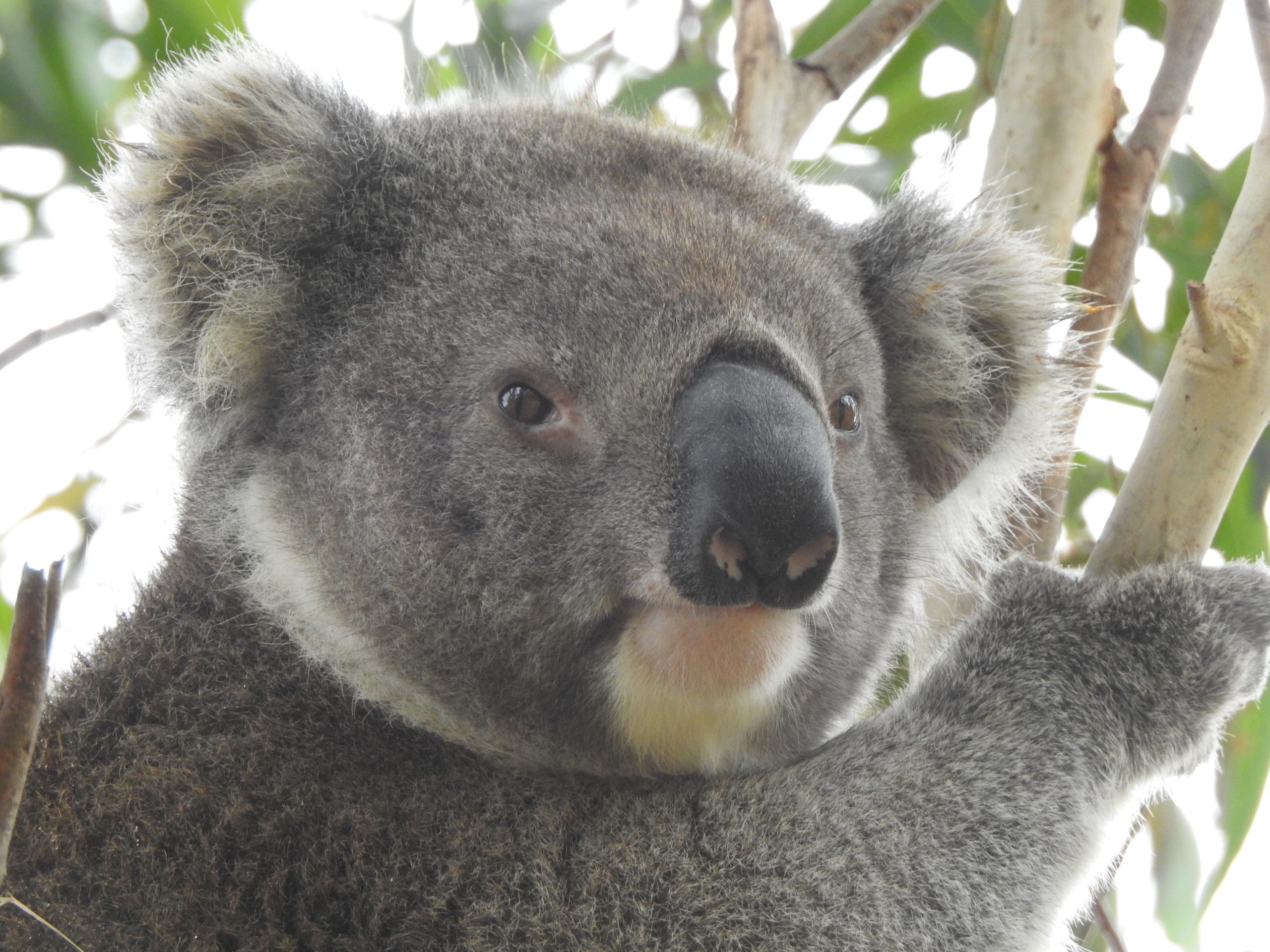
- Koala
-
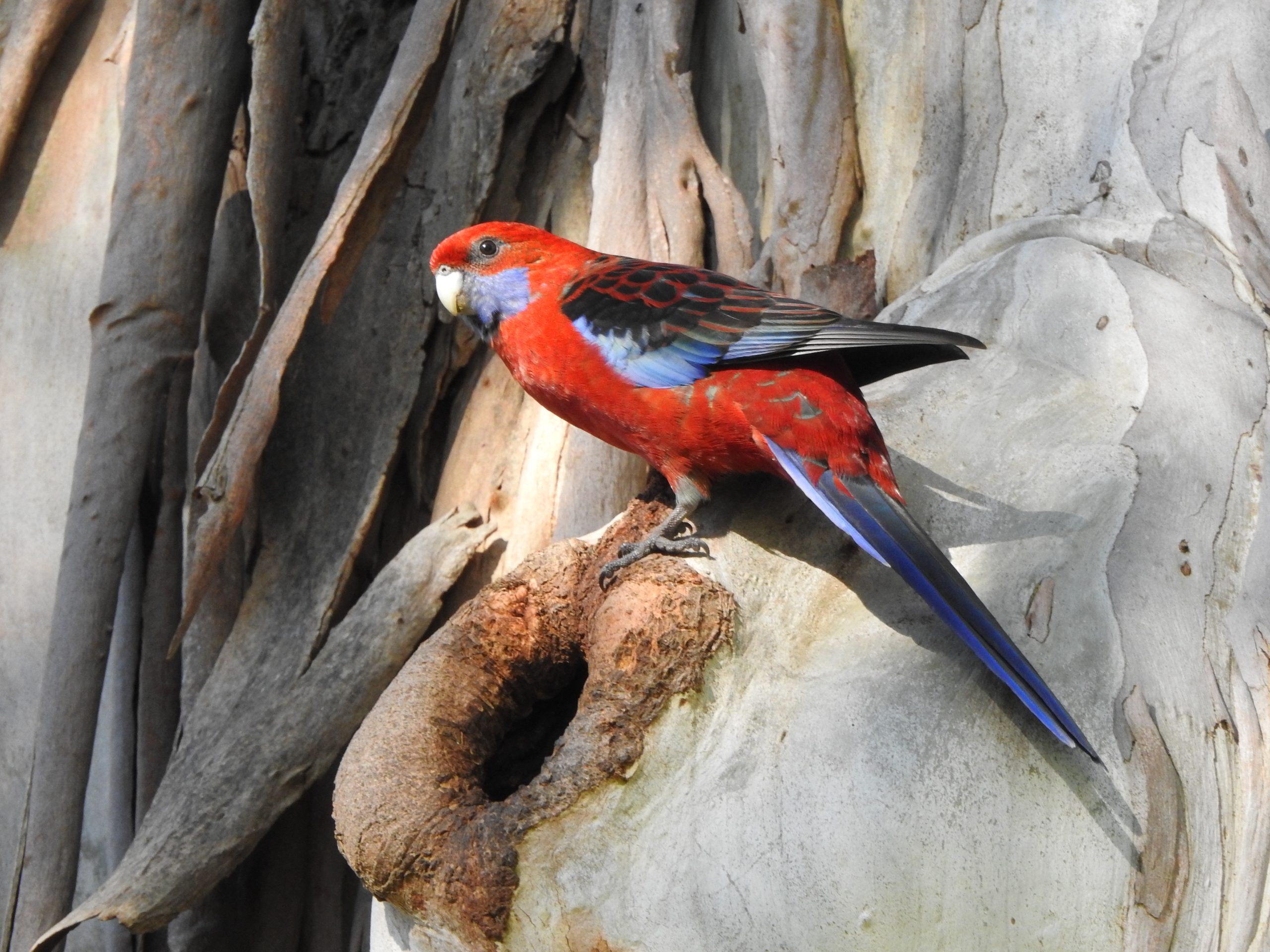
- Chrimson Rosella
-
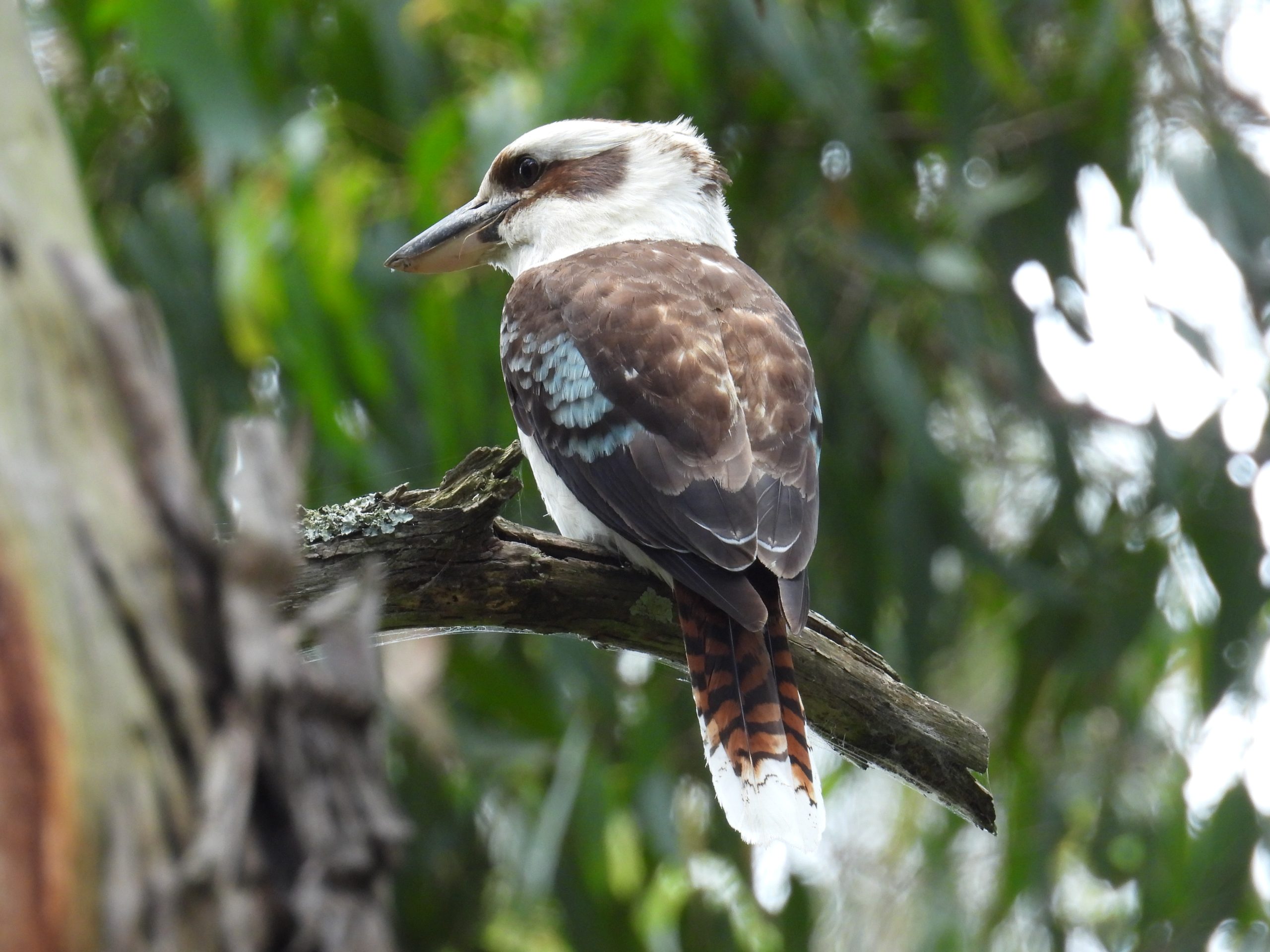
- Kookaburra
FLORA & FAUNA
Wildlife of Mt Noorat
The original woodlands of Mount Noorat supported a diverse range of wildlife. This included large numbers of Eastern Grey Kangaroos, Wallabies, Eastern Barred Bandicoots, Koalas, Gliders, Echidnas, Possums, Antechinus, Dunnarts, Dingoes and Eastern Quolls.
A multitude of woodland birds would have occupied the Mount, and a large number of waterbirds such as Brolgas and Magpie Geese would have utilised the nearby marshes.
FLORA & FAUNA
Flora of Mt Noorat
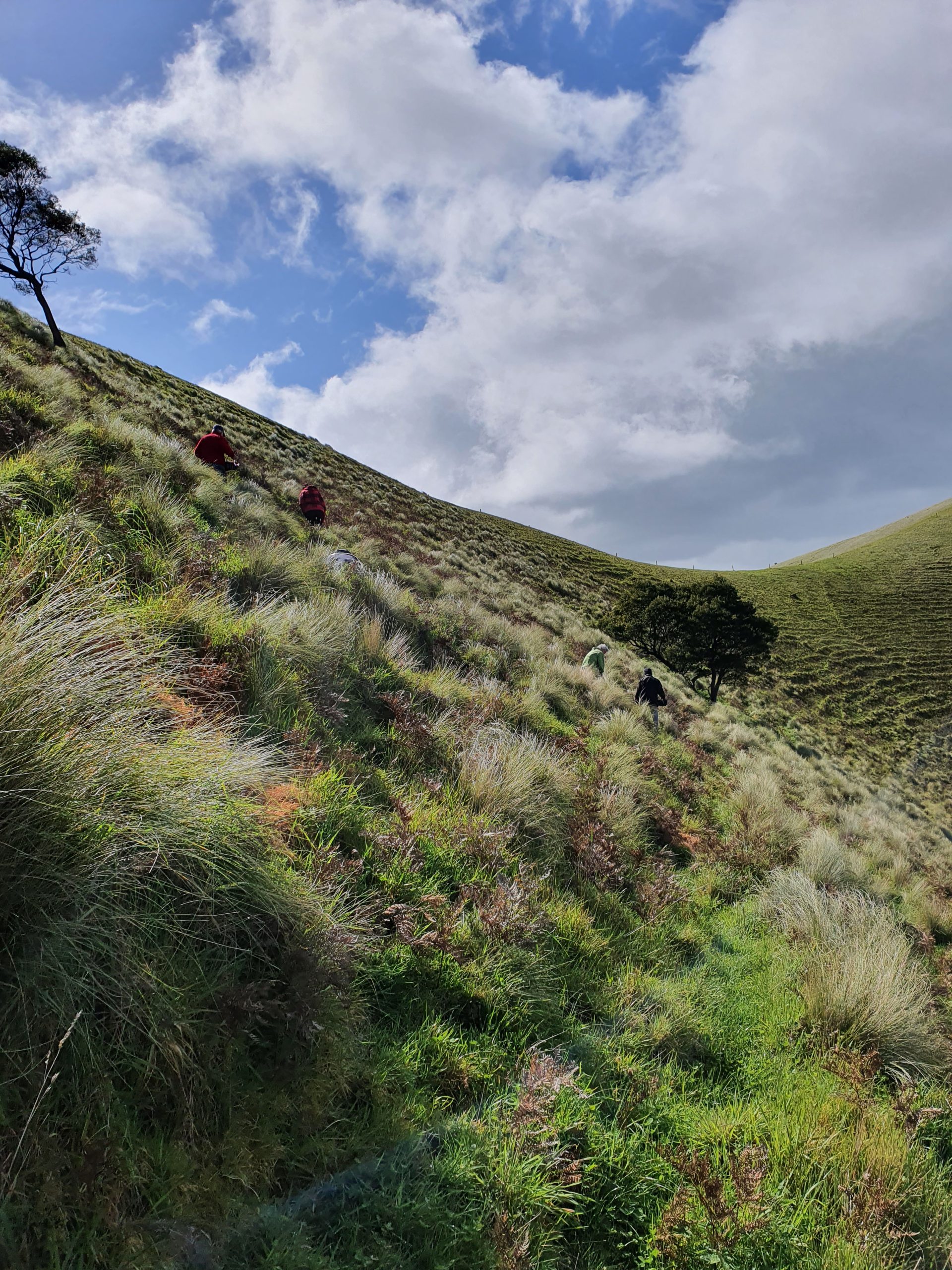
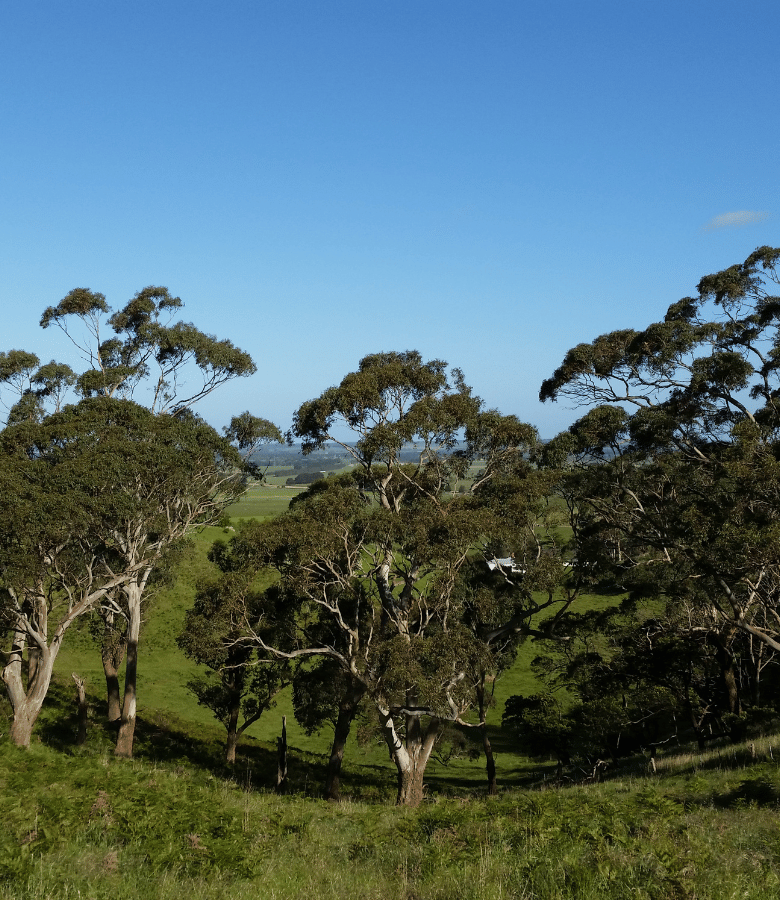
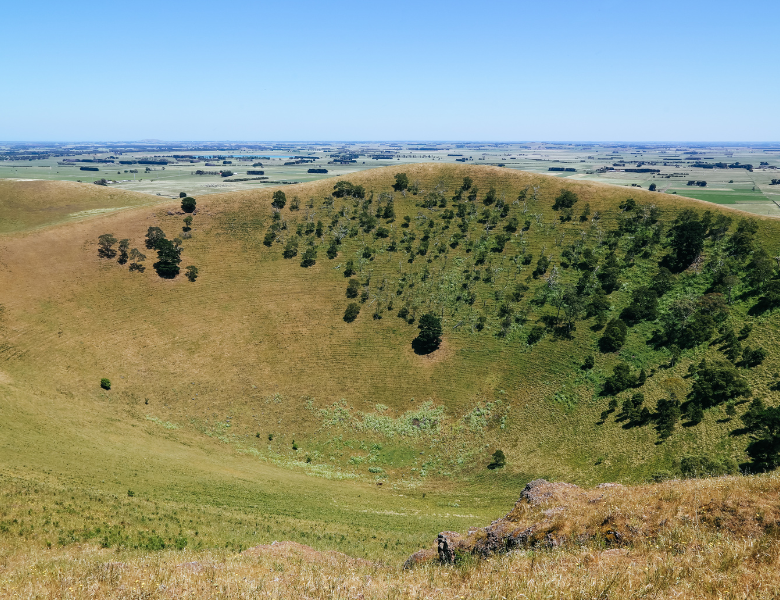
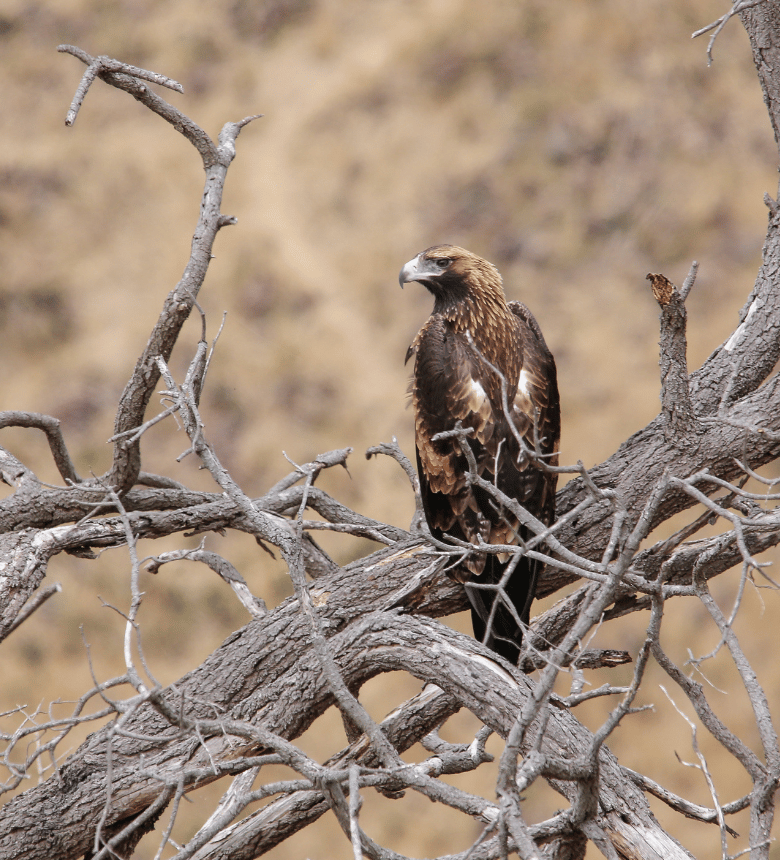
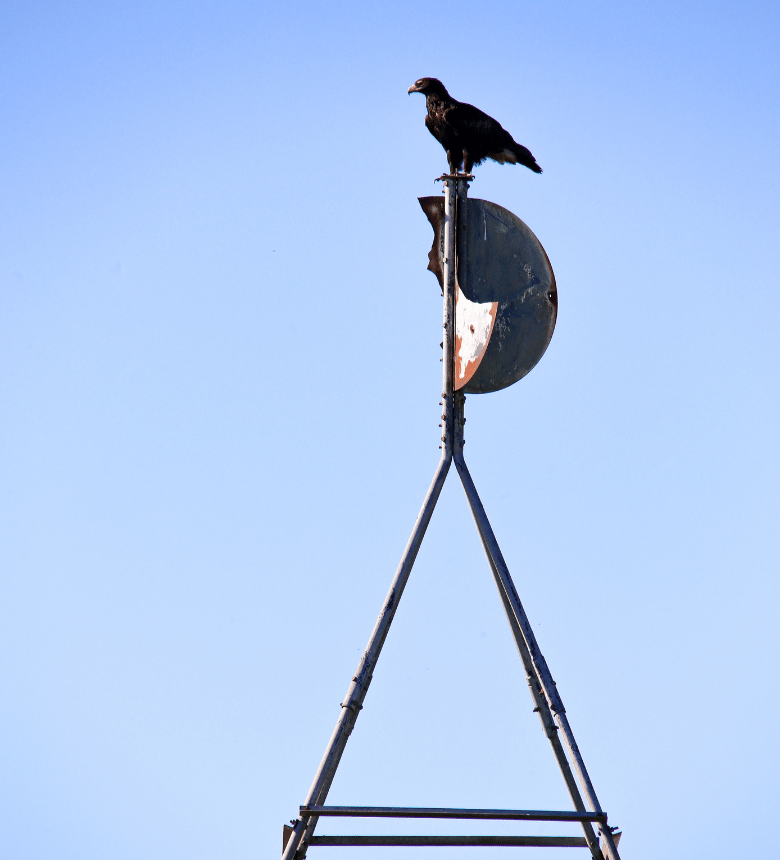
Once old growth woodland, the outer slopes and steep side of the crater were forested with Manna Gums (Eucalyptus viminalis), Stringybarks (Eucalyptus obliqua), Blackwoods (Acacia melanoxylon), Silver Banksias (Banksia marginata), Black Wattles (Acacia mearnsii), Cherry Ballarts (Exocaprus cupressiformus) and Sheoaks (Allocaduiarina verticillata). The understory consisted of Sweet Bursaria (Bursaria spinosa), Clematis (Clematis aristata), Kangaroo Apples (Solanum aviculare) and various other species. Small isolated stands of remnant Blackwoods and Manna Gums can be observed on the Mount today and they continue to provide habitat values, including for two resident Wedge-Tailed Eagles.