Vegetation of Mt Noorat
Prior to the arrival of Europeans at Mount Noorat, in the late 1930’s, it was covered in a wide range of indigenous vegetation – including trees, shrubs, grasses, sedges and herbs (wildflowers).
Some of the existing trees and shrubs included Manna Gum, Messmate, Drooping Sheoak, Silver Banksia, Sweet Bursaria, Tree Everlasting, Kangaroo Apple, Blackwood and Black wattle. Grasses and herbs included Common Tussock, Wallaby Grass, Lomandra, Buttercup, Running Postman, Bracken, Clematis and many more.
These plants provided shelter, resources, medicines and food for the indigenous Kirrae Wurrung people for tens of thousands of years. They also supported a wide range of animals, birds, insects and reptiles. The animals would have included large numbers of Eastern Grey Kangaroos, Wallabies, Eastern Barred Bandicoots, Dunnarts, Koalas, Echidnas, Possums, Wombats, Antechinus and Eastern Quolls. The dawn chorus of birds would have been amazing listening to the sounds of various parrots and a multitude of woodland birds.
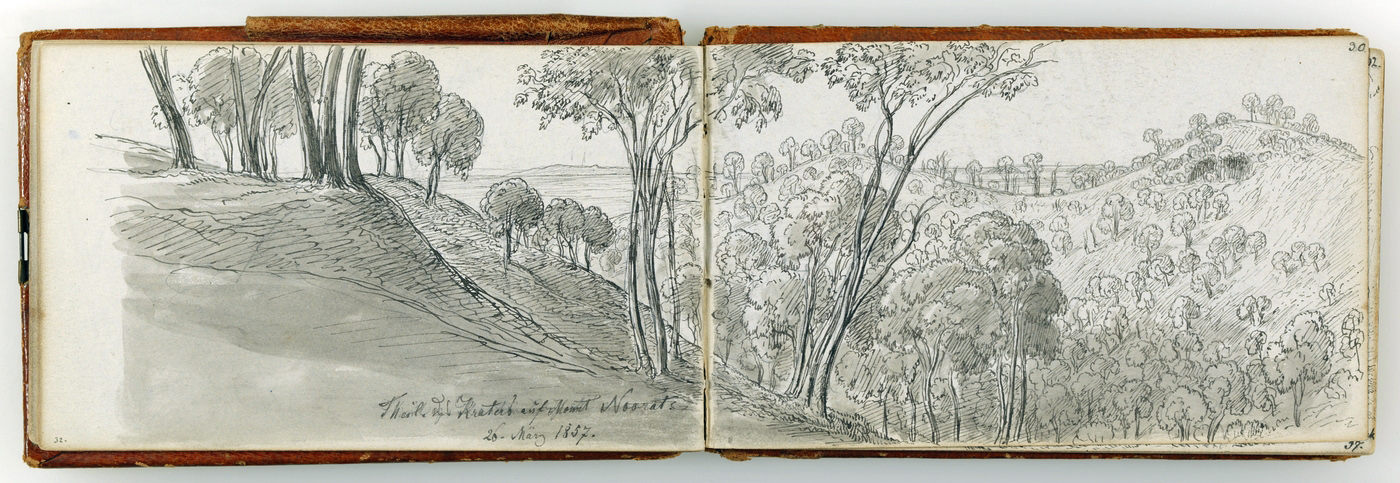
Eugene von Guerard sketch of the Mount Noorat crater and rim in 1857
Even after almost 20 years of European occupancy the Eugene von Guerard sketch of the Mount Noorat crater and rim in 1857 still shows a relatively well covered landscape. All this changed quickly, due mainly to land clearing, grazing and hunting, particularly after the sale of the surrounding land from the mid 1850’s and the Mount itself in 1863. Rabbits, which reached the mount in 1873, also had a significant impact.
By 1893, just over 50 years after Europeans arrived, the Mount was described as “destitute of trees”. In fact, it appears to have been cleared by at least 1887, just 30 years after the von Guerard visit.
The smooth outline with which we are familiar today dates from that period. Most of the wildlife disappeared with the trees. The remaining Kirrae Wurrung people had also been completely dispossessed and removed to Missions by the same period.
Revegetation of Mt Noorat
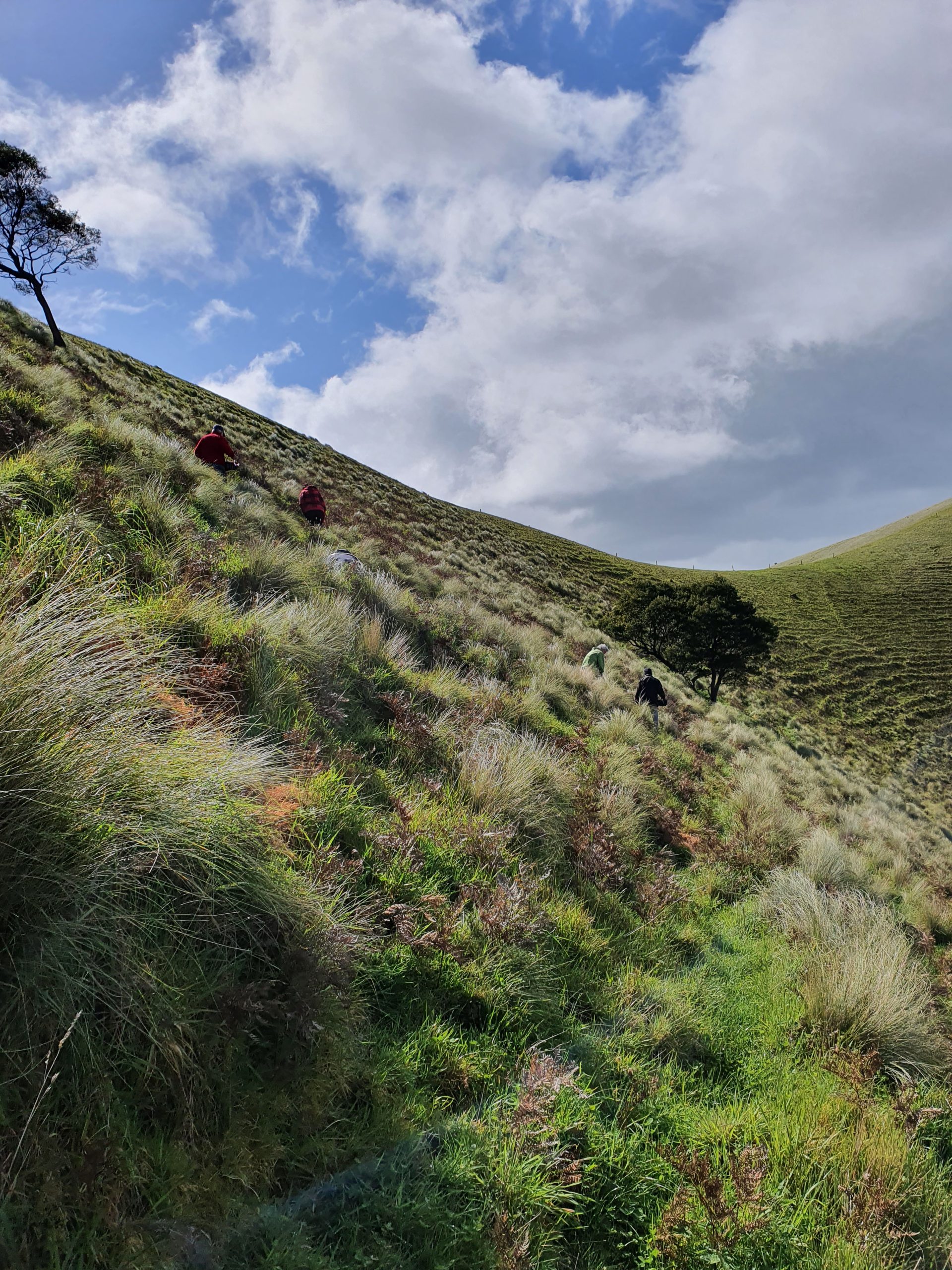
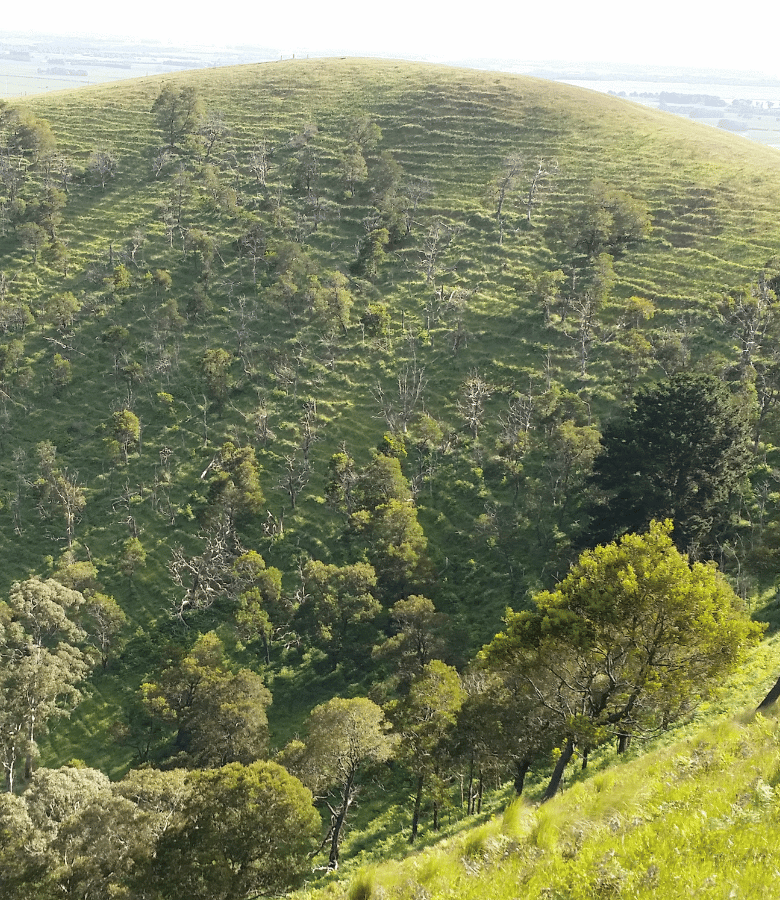
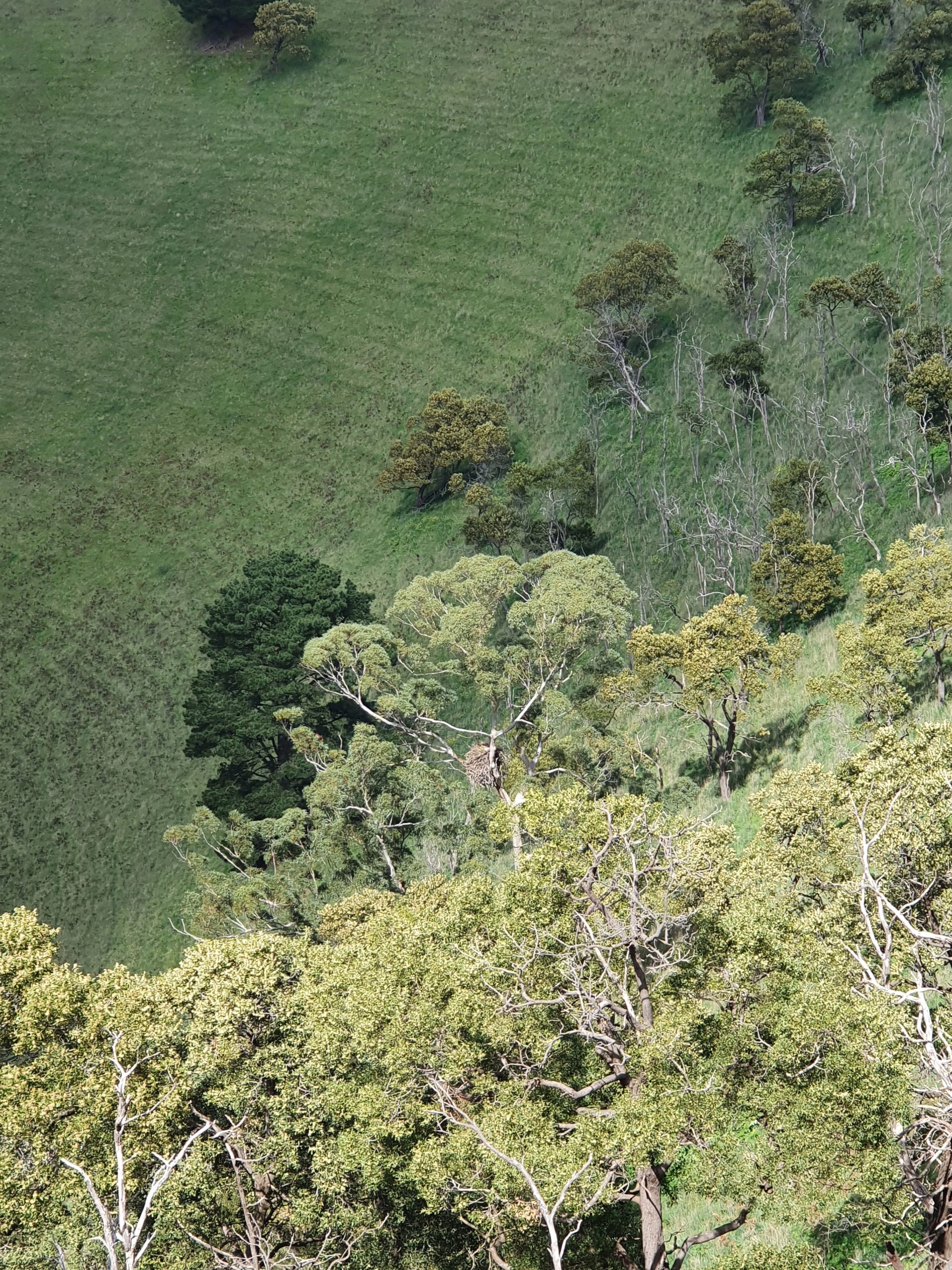
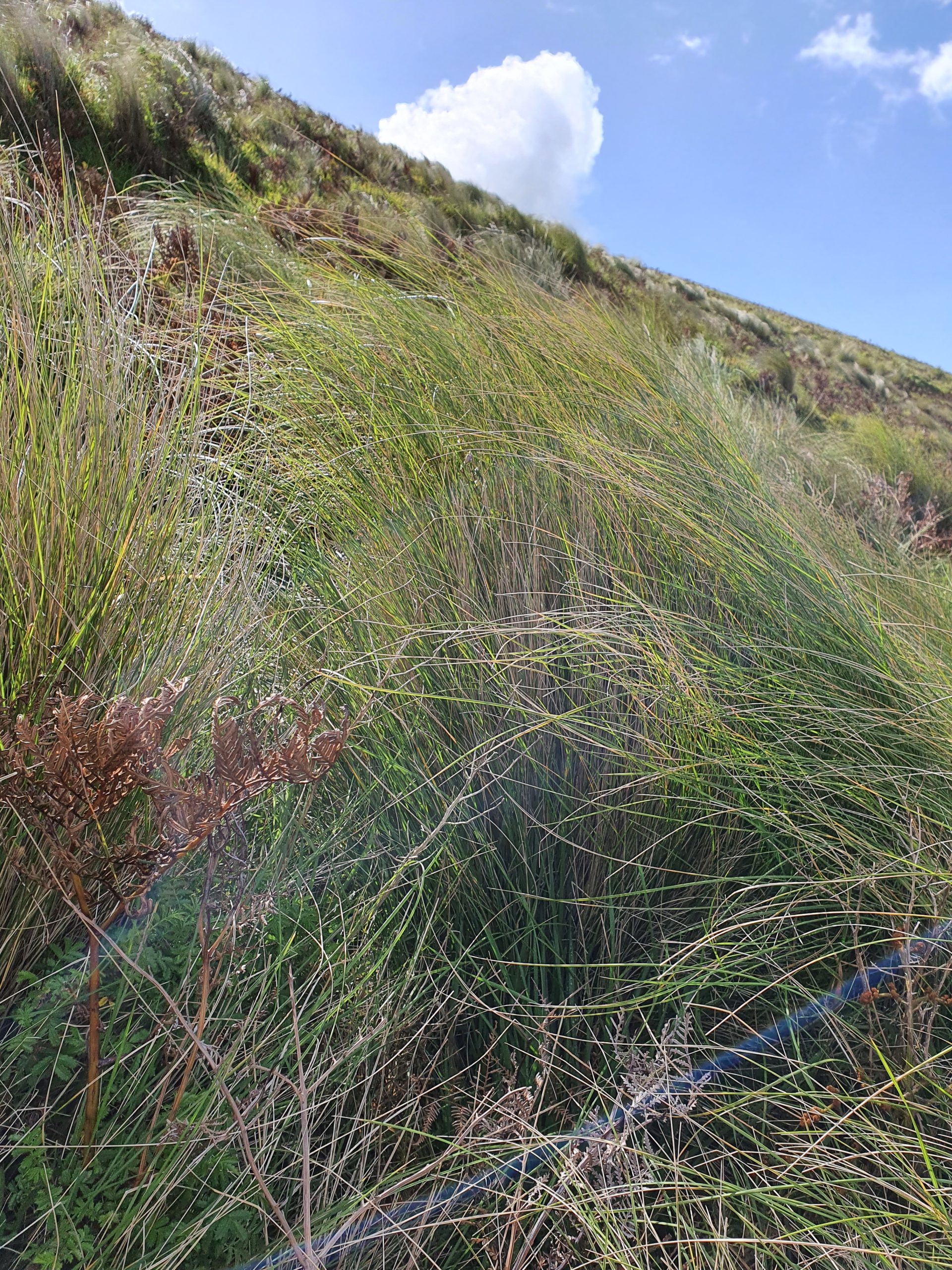
With the exception of some remnant woody vegetation (blackwoods, black wattles and a few manna gums) mainly located in the crater, there are only a few pines, sugar gums, and wattles in the way of trees that have been planted since the early 1900’s until the establishment of the Mt Noorat Management Committee in 2017. The site does contain some great patches of Poa Lab (Common tussock) as well as other indigenous grasses and herbs in more limited locations.
As directed by the ‘Mt Noorat Management Plan’, the Management Committee engaged consultant Biodiversity Services from Ballarat in 2022 who produced the ‘Mt Noorat Revegetation Plan - A Ten-year Strategy’. It is this document that guides current and future plantings. This, and the supporting documentation, identifies remnant vegetation where it still exists as well as what species the Committee should endeavour to reintroduce where possible.
The Revegetation Plan divides the Mt Noorat site into zones called Floristic Management Units (FMU’s). There are four FMU’s across the Noorat reserve, these being - Scoria Forest, Scoria Woodland, Scoria Savannah and Scoria Rockland. Each FMU details plant lists specific to that zone.
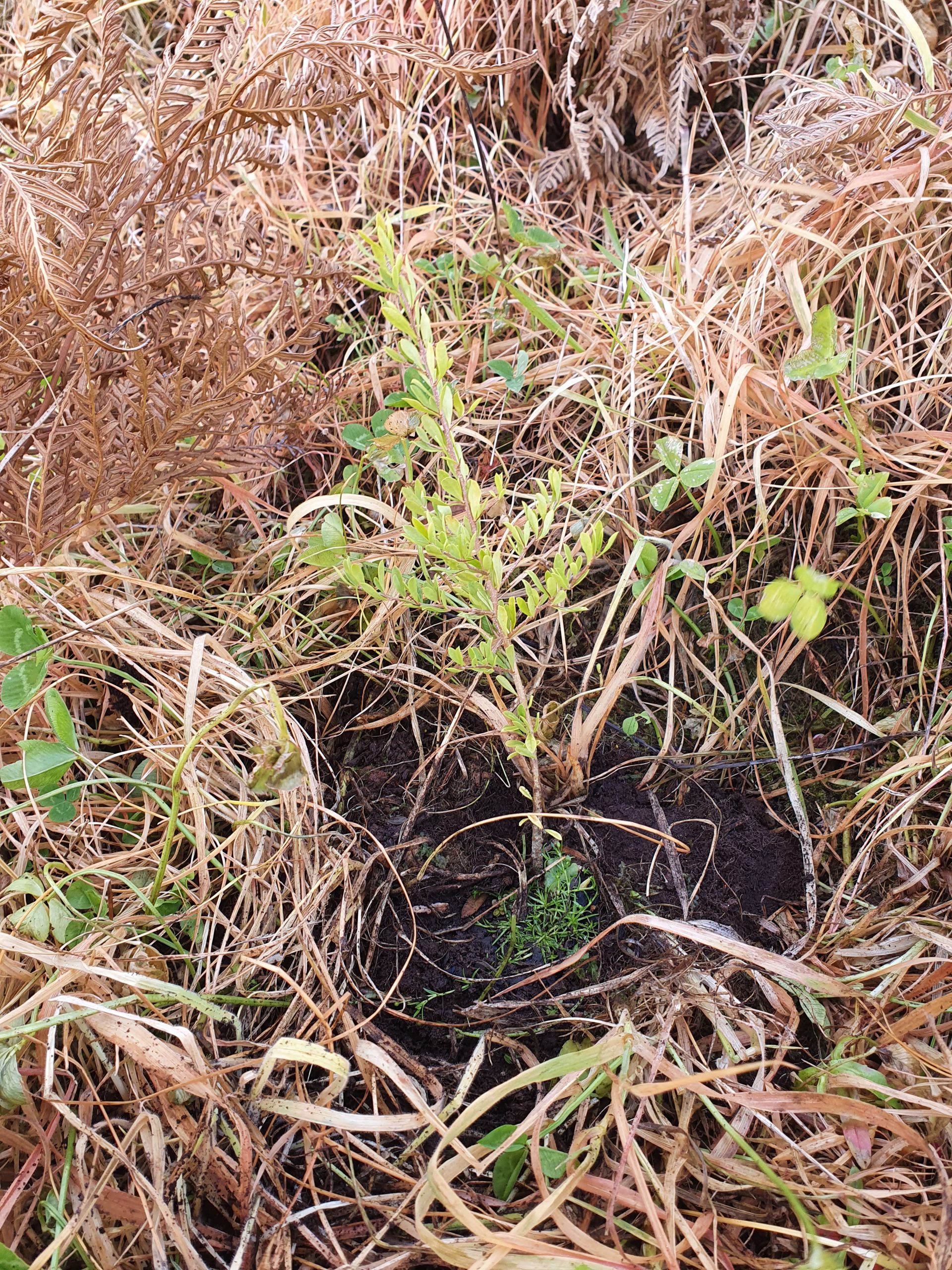
Since 2021 over 1800 trees and shrubs have been planted - including those to replace losses due to a wide range of reasons. The following list details the range of indigenous species that have been available to the Committee for planting to date across the various areas.
SPECIES PLANTED (Trees and Shrubs)
MANNA GUM: Euc. viminalis sub. viminalis
LARGE KANKAROO APPLE: Solanum laciniatum
DROOPING SHEOAK: Allocasuarina verticilata
MESSMATE: Euc. obliqua
DOGWOOD; Cassinia aculeata
INDIGOFERA: Austral indigo
BLACKWOOD: Acacia melanoxylon
SWEET BURSARIA: Bursaria spinosa
GOLDEN TIP: Goodia lotifolia
BLACK WATTLE: Acacia mearnsii
TREE VIOLET: Melicytus dentatus
SILVER BANKSIA: Banksia marginata
TREE EVERLASTING: Ozothamnus ferrugineus
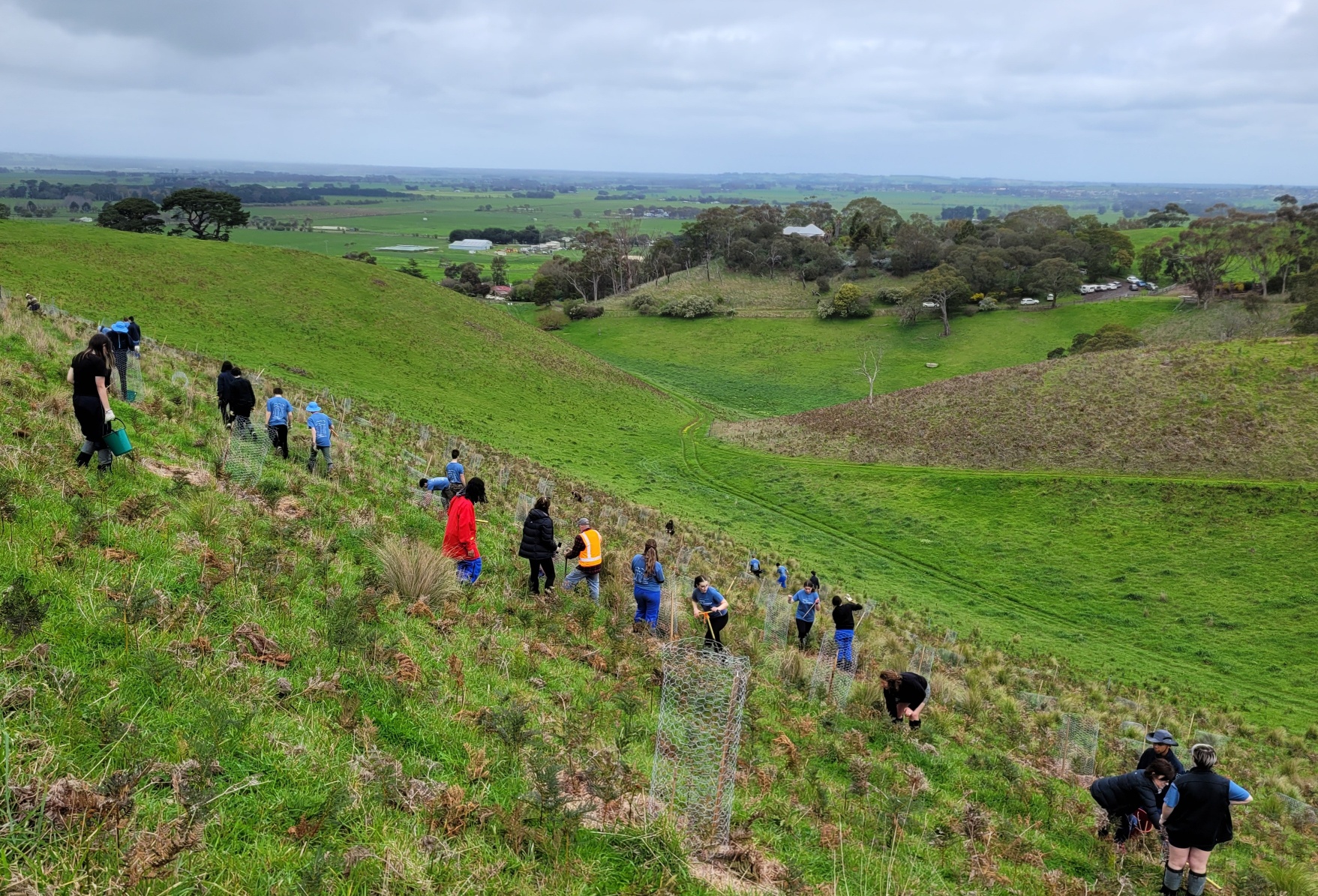
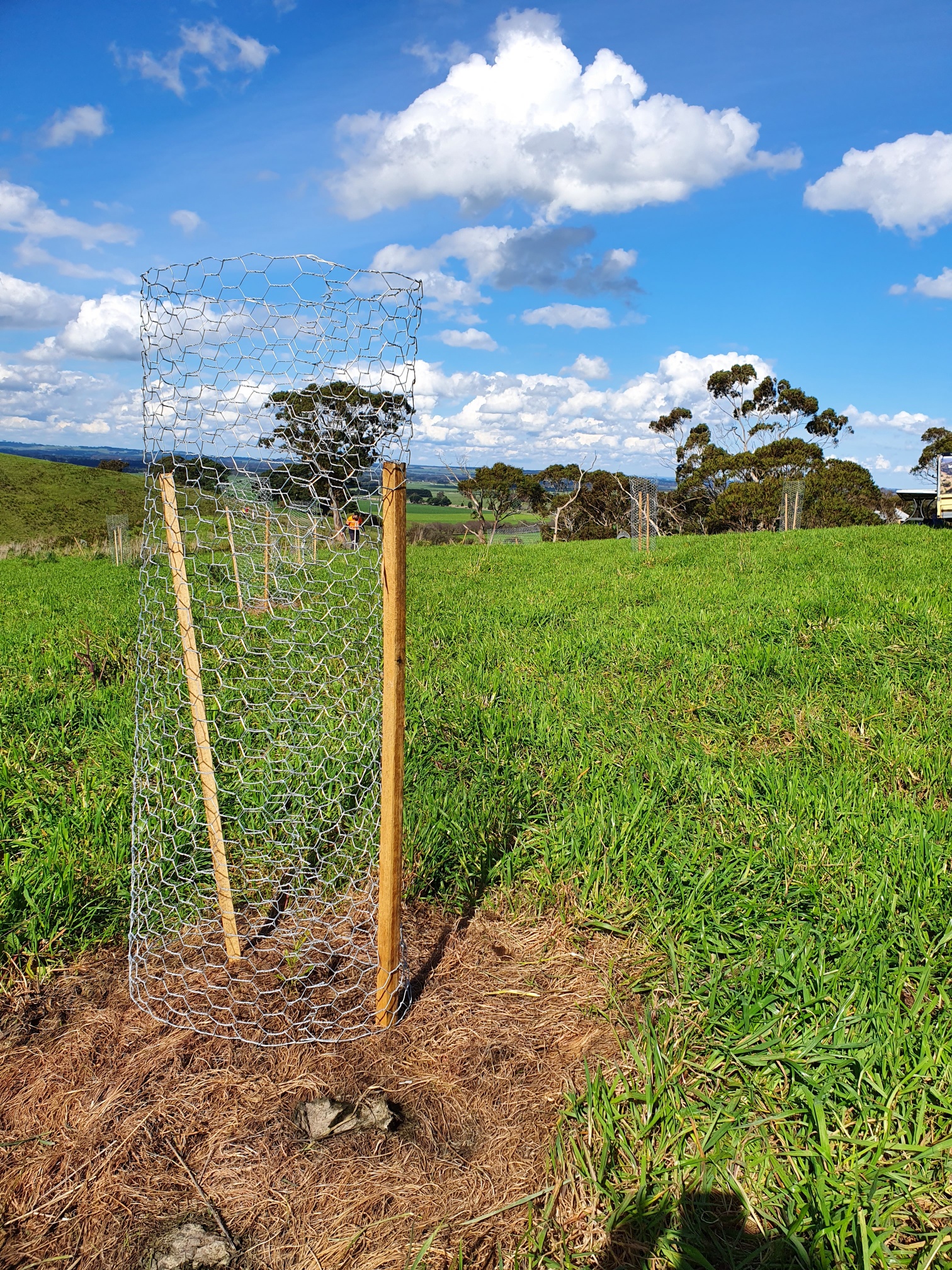
All revegetation and remnant protection requires several significant and expensive challenges to be addressed. The site is still grazed, so stock proof fencing is essential. The site, especially the crater, is home to quite a few wallabies who browse on new plantings, so special wire guards are required to be made and distributed for all seedlings planted. As well, the site is generally steep and rough.
These factors certainly ensure that revegetation tasks are challenging – especially the making and the distribution of the wire tree guards to each of the many hundreds/thousand of individual planting locations. For this specific and critical task, the Committee is completely indebted to the staff and students of the Gnurad Gundidj Leadership School. Plantings have generally been based on a ‘Community Planting' event.
A special part of the revegetation has been the reintroduction of the Silver Banksia (Banksia marginata). Until about 2015, Mt Noorat Crater had a sole surviving remnant banksia, the last of its species on the VVP within the Corangamite Shire. Unfortunately, it was not producing seed and efforts to grow from cuttings were unsuccessful. Today, with plants supplied by the Friends of the Forgotten Woodlands Inc. the VVP provenanced Silver Banksia is making a return to the slopes of Mt Noorat – as are VVP provenanced Drooping Sheoak and Sweet Bursaria.
The Future-Whats next?
Keeping in mind the ongoing financial and physical (natural and human) challenges undertaking any/all revegetation and when combined with the need for consideration of divergent views towards revegetation in the community, the Committee will continue to plan and proceed with future revegetation with due consideration regarding how much, where and when.
Monitoring of existing remnant vegetation, especially inside the crater, as well as existing plantings will be another priority. The current Management Plan when combined with the revegetation plan give good guidance for all future plantings of indigenous vegetation. Revegetation and restoration of the indigenous vegetation of Mt Noorat will continue to a challenging and long term commitment for the committee.